

Description
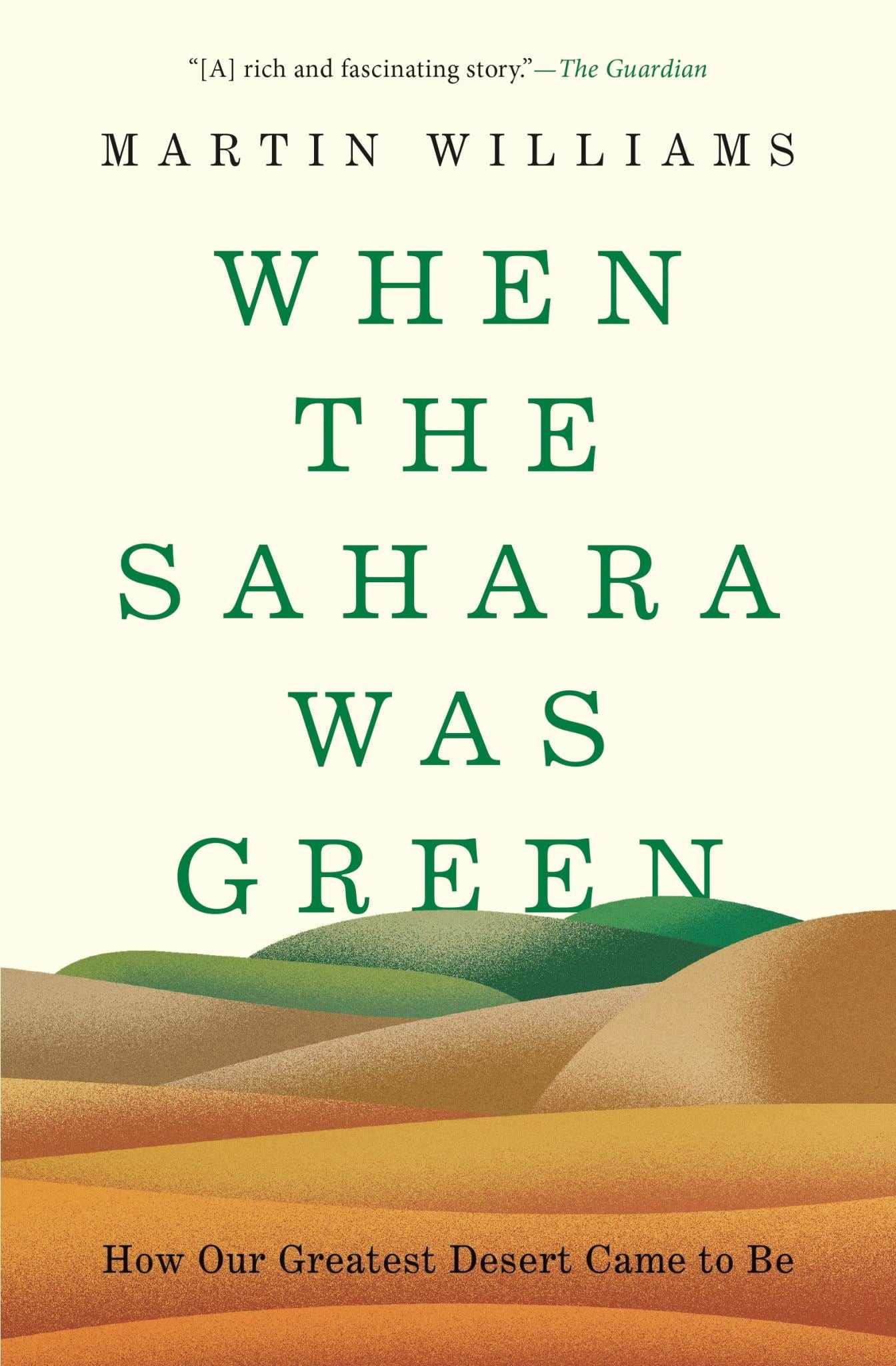
Discover the remarkable transformation of the Sahara Desert in *When the Sahara Was Green* (ISBN: 9780691253930), a captivating exploration that reveals how this vast arid land was once a lush, vibrant ecosystem, thriving with rivers, lakes, and diverse wildlife, including Nile perch, crocodiles, and hippos. Published in 2023 by Princeton University Press, this trade paperback invites readers on an intellectual journey through Earth's climatic history, digging deep into why the Sahara's climate changed drastically from its verdant past to its current desert state.
In this engaging narrative, author Martin Williams guides us through the Sahara's evolution, depicting its initial formation as savanna woodland, the era of dinosaurs roaming freely, and the towering trees that once graced the landscape. He tackles pressing questions such as: What factors contributed to the Sahara's desertification? How have human activities intersected with these climatic changes? Furthermore, he explores how extreme weather patterns, including prolonged droughts, have shaped the geology, ecology, and human populations of this iconic region.
Rich in educational content, *When the Sahara Was Green* not only sheds light on the past but also draws critical connections to present-day climate challenges and future implications. It serves as an invaluable resource for those interested in environmental science, paleoclimatology, and the intricate relationship between humans and the planet's changing ecosystems. Immerse yourself in this fascinating saga of the Sahara's history and its lessons on resilience amidst an ever-evolving environment.
In this engaging narrative, author Martin Williams guides us through the Sahara's evolution, depicting its initial formation as savanna woodland, the era of dinosaurs roaming freely, and the towering trees that once graced the landscape. He tackles pressing questions such as: What factors contributed to the Sahara's desertification? How have human activities intersected with these climatic changes? Furthermore, he explores how extreme weather patterns, including prolonged droughts, have shaped the geology, ecology, and human populations of this iconic region.
Rich in educational content, *When the Sahara Was Green* not only sheds light on the past but also draws critical connections to present-day climate challenges and future implications. It serves as an invaluable resource for those interested in environmental science, paleoclimatology, and the intricate relationship between humans and the planet's changing ecosystems. Immerse yourself in this fascinating saga of the Sahara's history and its lessons on resilience amidst an ever-evolving environment.