

Description
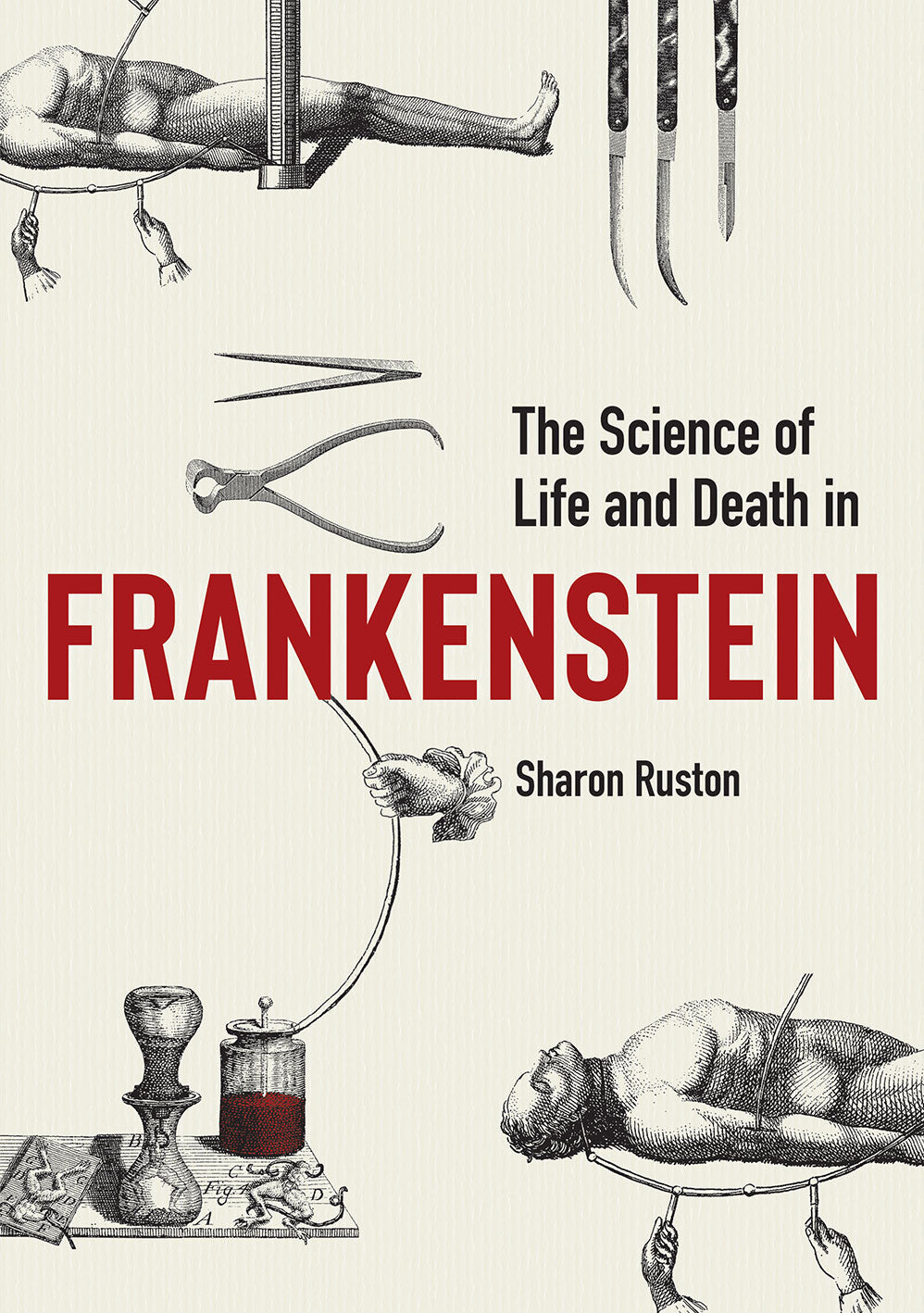
Explore the intriguing intersection of science, medicine, and literature with 'The Science of Life and Death in Frankenstein.' This essential scholarly work delves deep into the questions that haunted Mary Shelley and her contemporaries, primarily: What defines life? How did the prominent Romantic writers of the era weave their personal experiences and contemporary scientific knowledge into their writing? Through an in-depth examination of the scientific milieu of the early 19th century, this book presents a rich tapestry of ideas about air, blood, sunlight, electricity, and other vital elements believed crucial for life.
Sharon Ruston meticulously investigates the medical and scientific frameworks that informed Mary Shelley's understanding, drawing upon the theories of key figures like John Abernethy, James Curry, and Joseph Priestley. The work sheds light on how Shelley's 'Frankenstein' reflected the medical practices of her time regarding resurrection methods and the philosophical inquiry into the boundaries of life and death.
Featuring stunning visual elements such as manuscript images and medical diagrams, this book not only enhances our understanding of Shelley's iconic narrative but also immerses readers in the profound historical context that influenced her groundbreaking work. Perfect for literature enthusiasts, students, and anyone curious about the scientific underpinnings of one of the greatest Gothic tales.
Note: Shipping for this item is free. Please allow up to 6 weeks for delivery. Once your order is placed, it cannot be cancelled. Condition: BRAND NEW. ISBN: 9781851245574. Format: Sewn. Year: 2022. Publisher: Bodleian Library Publishing.
Note: Shipping for this item is free. Please allow up to 6 weeks for delivery. Once your order is placed, it cannot be cancelled.
Condition: BRAND NEW
ISBN: 9781851245574
Format: Sewn
Year: 2022
Publisher: Bodleian Library Publishing
Description:
What is life? This was a question of particular concern for Mary Shelley and her contemporaries. But how did she, and her fellow Romantic writers, incorporate this debate into their work, and how much were they influenced by contemporary science, medicine and personal loss?
This book is the first to compile the many attempts in science and medicine to account for life and death in Mary Shelley’s time. It considers what her contemporaries thought of air, blood, sunlight, electricity and other elements believed to be most essential for living. Mary Shelley’s (and her circle’s) knowledge of science and medicine is carefully examined, alongside the work of key scientific and medical thinkers, including John Abernethy, James Curry, Humphry Davy, John Hunter, William Lawrence and Joseph Priestley. Frankenstein demonstrates what Mary Shelley knew of the advice given by medical practitioners for the recovery of persons drowned, hanged or strangled and explores the contemporary scientific basis behind Victor Frankenstein’s idea that life and death were merely â€ideal bounds’ he could transgress in the making of the Creature.
Interweaving images of the manuscript, portraits, medical instruments and contemporary diagrams into her narrative, Sharon Ruston shows how this extraordinary tale is steeped in historical scientific and medical thought exploring the fascinating boundary between life and death.
'A beautifully cool and elegant survey of the contemporary science and medicine which young Mary Shelley wove so ingeniously into the dark gothic texture of her 1818 masterpiece. With quiet authority and wit, Sharon Ruston
Sharon Ruston meticulously investigates the medical and scientific frameworks that informed Mary Shelley's understanding, drawing upon the theories of key figures like John Abernethy, James Curry, and Joseph Priestley. The work sheds light on how Shelley's 'Frankenstein' reflected the medical practices of her time regarding resurrection methods and the philosophical inquiry into the boundaries of life and death.
Featuring stunning visual elements such as manuscript images and medical diagrams, this book not only enhances our understanding of Shelley's iconic narrative but also immerses readers in the profound historical context that influenced her groundbreaking work. Perfect for literature enthusiasts, students, and anyone curious about the scientific underpinnings of one of the greatest Gothic tales.
Note: Shipping for this item is free. Please allow up to 6 weeks for delivery. Once your order is placed, it cannot be cancelled. Condition: BRAND NEW. ISBN: 9781851245574. Format: Sewn. Year: 2022. Publisher: Bodleian Library Publishing.
Note: Shipping for this item is free. Please allow up to 6 weeks for delivery. Once your order is placed, it cannot be cancelled.
Condition: BRAND NEW
ISBN: 9781851245574
Format: Sewn
Year: 2022
Publisher: Bodleian Library Publishing
Description:
What is life? This was a question of particular concern for Mary Shelley and her contemporaries. But how did she, and her fellow Romantic writers, incorporate this debate into their work, and how much were they influenced by contemporary science, medicine and personal loss?
This book is the first to compile the many attempts in science and medicine to account for life and death in Mary Shelley’s time. It considers what her contemporaries thought of air, blood, sunlight, electricity and other elements believed to be most essential for living. Mary Shelley’s (and her circle’s) knowledge of science and medicine is carefully examined, alongside the work of key scientific and medical thinkers, including John Abernethy, James Curry, Humphry Davy, John Hunter, William Lawrence and Joseph Priestley. Frankenstein demonstrates what Mary Shelley knew of the advice given by medical practitioners for the recovery of persons drowned, hanged or strangled and explores the contemporary scientific basis behind Victor Frankenstein’s idea that life and death were merely â€ideal bounds’ he could transgress in the making of the Creature.
Interweaving images of the manuscript, portraits, medical instruments and contemporary diagrams into her narrative, Sharon Ruston shows how this extraordinary tale is steeped in historical scientific and medical thought exploring the fascinating boundary between life and death.
'A beautifully cool and elegant survey of the contemporary science and medicine which young Mary Shelley wove so ingeniously into the dark gothic texture of her 1818 masterpiece. With quiet authority and wit, Sharon Ruston