

Description
Air Power and the Arab World 1909-1955 Volume 11: The First Arab-Israeli War 1 June - 31 August 1948
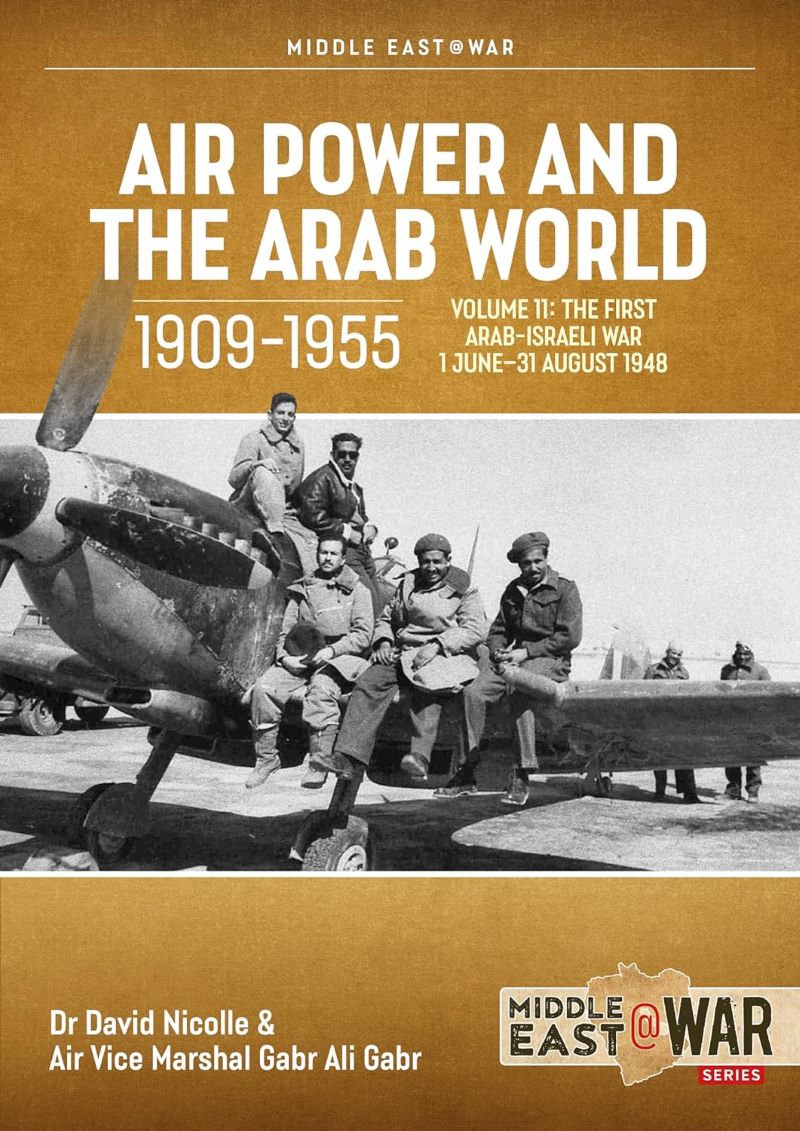
Focusses on day-to-day events in the First Arab-Israeli War, in the air, at sea, and on the ground. Volume 11 of the Air Power and the Arab World, 1909-1955 mini-series continues the story of the men and machines of the first half century of military aviation in the Arab world. It focuses upon combat operations during the period of the Palestine War from 1 June to 31 August 1948. By that time, in Egypt, Iraq, Transjordan and newly-independent Syria and Lebanon, major efforts had already been made to strengthen these countries' armed forces. Egypt, Iraq, and Syria launched all-out efforts to bolster their air forces, and threw these into combat. While most subsequent commentators and historians stress they had failed to perform, if appearing at all, closer investigation and the removal many of layers of propaganda that have obscured the realities of this first Arab-Israeli War, show that the Arab air forces performed much better than previously thought. Arguably, available aircraft, armament, spares, and personnel had their limitations and weaknesses, and these had also become apparent as the fighting intensified and losses began to mouth. However, information from both official and unofficial Arab sources - published and unpublished - leaves no doubt about the commitment and courageous efforts of almost everybody involved.
Focusses on day-to-day events in the First Arab-Israeli War, in the air, at sea, and on the ground. Volume 11 of the Air Power and the Arab World, 1909-1955 mini-series continues the story of the men and machines of the first half century of military aviation in the Arab world. It focuses upon combat operations during the period of the Palestine War from 1 June to 31 August 1948. By that time, in Egypt, Iraq, Transjordan and newly-independent Syria and Lebanon, major efforts had already been made to strengthen these countries' armed forces. Egypt, Iraq, and Syria launched all-out efforts to bolster their air forces, and threw these into combat. While most subsequent commentators and historians stress they had failed to perform, if appearing at all, closer investigation and the removal many of layers of propaganda that have obscured the realities of this first Arab-Israeli War, show that the Arab air forces performed much better than previously thought. Arguably, available aircraft, armament, spares, and personnel had their limitations and weaknesses, and these had also become apparent as the fighting intensified and losses began to mouth. However, information from both official and unofficial Arab sources - published and unpublished - leaves no doubt about the commitment and courageous efforts of almost everybody involved.